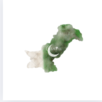
Pakistan is often described through its geography or politics, but its true identity lives in its people. From the fertile plains of Punjab to the deserts of Sindh, from the mountains of Khyber Pakhtunkhwa to the vast landscapes of Balochistan, Pakistan is home to a remarkable blend of cultures, languages, and traditions.
The cultural diversity of Pakistan is not a surface-level concept. It is deeply rooted in history, migration, faith, regional lifestyles, and centuries-old customs. Understanding this diversity helps explain how such a wide range of identities coexist within one nation—sometimes with challenges, but often with extraordinary richness.
This article offers a detailed, human-centered exploration of Pakistan’s cultural diversity, with special focus on Punjabi, Sindhi, Pashtun, and Balochi cultures, along with their languages and festivals.
What is Cultural Diversity of Pakistan: Traditions, Languages & Festivals?
Cultural diversity of Pakistan refers to the coexistence of multiple ethnic groups, languages, customs, and social traditions within the country. Each region has developed its own identity based on:
- Geography
- Historical influences
- Tribal and clan systems
- Religious practices
- Economic lifestyles
Pakistan is not culturally uniform. Instead, it is a cultural mosaic, where each group retains its uniqueness while contributing to a shared national identity.
Key elements of this diversity include:
- More than 70 languages and dialects
- Distinct regional clothing styles
- Varied food traditions
- Local festivals and rituals
How it Works
Cultural diversity in Pakistan functions through a balance of regional autonomy and national unity.
Regional Roots
Each province maintains:
- Its own language dominance
- Traditional dress and music
- Folk celebrations
- Social norms
For example:
- Punjabi culture emphasizes communal farming and festivals
- Pashtun culture centers on honor and tribal codes
- Sindhi culture blends mysticism and hospitality
- Balochi culture values independence and loyalty
National Integration
Despite differences, common elements unite Pakistanis:
- Religion (Islam as a shared faith for most)
- National festivals
- Urdu as a linking language
- Shared historical experiences
This dual structure allows diversity to survive without complete fragmentation.
Major Cultural Groups Explained
Punjabi Culture
Punjabis form the largest ethnic group in Pakistan, mainly in Punjab province.
Key Characteristics
- Language: Punjabi
- Strong agricultural traditions
- Emphasis on family and community
Traditions
- Bhangra and Giddha dances
- Folk poetry (War, Heer Ranjha)
- Village-based social life
Festivals
- Basant (kite flying)
- Harvest celebrations
- Urs of Sufi saints
Punjabi culture is vibrant, expressive, and deeply connected to land and labor.
Sindhi Culture
Sindhi culture is one of the oldest continuous cultures in South Asia.
Key Characteristics
- Language: Sindhi
- Strong Sufi influence
- River-based lifestyle along the Indus
Traditions
- Ajrak and Sindhi topi
- Spiritual poetry of Shah Abdul Latif Bhittai
- Respect for guests and elders
Festivals
- Sindhi Cultural Day
- Urs celebrations
- Traditional music gatherings
Sindhi culture is known for tolerance, spirituality, and artistic expression.
Pashtun Culture
Pashtun culture dominates Khyber Pakhtunkhwa and parts of Balochistan.
Key Characteristics
- Language: Pashto
- Tribal social structure
- Strong sense of honor
Cultural Code
- Pashtunwali (honor, hospitality, bravery)
Traditions
- Jirga system (tribal council)
- Traditional Attan dance
- Simple but symbolic dress
Festivals
- Eid celebrations
- Local jirga gatherings
- Seasonal tribal events
Pashtun culture values dignity, loyalty, and resilience.
Balochi Culture
Balochi culture reflects life in harsh but majestic landscapes.
Key Characteristics
- Language: Balochi
- Nomadic and tribal roots
- Strong emphasis on independence
Traditions
- Storytelling and epic poetry
- Traditional embroidery
- Livestock-centered lifestyle
Festivals
- Sibi Mela
- Tribal ceremonies
- Cultural exhibitions
Balochi culture is defined by strength, simplicity, and honor.
Benefits
Cultural diversity brings practical and social advantages.
Social Benefits
- Tolerance and coexistence
- Rich social experiences
- Mutual learning
Economic Benefits
- Cultural tourism
- Handicrafts and regional products
- Music, food, and fashion industries
National Strength
- Multiple problem-solving approaches
- Strong local identities
- Resilience through diversity
Countries with cultural diversity often show greater creativity and adaptability.
Step by Step Guide
Step 1: Learn Regional Histories
Understanding origins reduces stereotypes.
Step 2: Respect Local Languages
Even basic greetings build trust.
Step 3: Participate in Festivals
Cultural immersion deepens understanding.
Step 4: Avoid Cultural Assumptions
What applies in one region may not apply in another.
Step 5: Promote Cultural Dialogue
Education and media should highlight diversity positively.
Respect grows from knowledge, not slogans.
Charts, Tables or Data
Major Cultures of Pakistan and Key Features
| Culture | Main Language | Core Values | Famous Traditions |
| Punjabi | Punjabi | Community, joy | Bhangra, Basant |
| Sindhi | Sindhi | Spirituality | Ajrak, Urs |
| Pashtun | Pashto | Honor, courage | Pashtunwali |
| Balochi | Balochi | Loyalty, strength | Tribal customs |
Comparison Chart: Punjabi vs Pashtun Culture
Punjabi Culture
- Expressive and festive
- Agriculture-focused
- Music and dance-centered
Pashtun Culture
- Reserved and honor-based
- Tribal leadership
- Code-driven social behavior
Both are strong but differ in expression and structure.
Scenario Example
Scenario: Cultural Misunderstanding Turned Learning Experience
A traveler greets a Pashtun elder casually, as he would in Punjab. The elder appears distant. After learning about Pashtunwali and showing formal respect, the interaction improves immediately.
Cultural awareness transforms interactions from awkward to meaningful.
Common Mistakes
- Assuming one culture represents all of Pakistan
- Mocking accents or dress
- Ignoring local customs
- Treating diversity as division
These mistakes deepen misunderstandings instead of unity.
Expert Tips
- Teach regional languages in schools
- Preserve folk music and crafts
- Encourage cultural exchange programs
- Promote inclusive national narratives
Experts agree that unity does not mean uniformity.
FAQs
Q1: How many cultures exist in Pakistan?
Pakistan hosts dozens of ethnic and cultural groups.
Q2: Is Urdu a native language?
Urdu is a national language, but not native to most regions.
Q3: Which culture is the oldest?
Sindhi culture traces back to the Indus Valley Civilization.
Q4: Are festivals regional or national?
Both exist; some festivals are local, others nationwide.
Q5: Does diversity cause conflict?
Diversity itself does not—mismanagement does.
Conclusion
The cultural diversity of Pakistan is not a challenge to be solved. It is a treasure to be protected. Punjabi joy, Sindhi spirituality, Pashtun honor, and Balochi resilience together form the soul of the nation.
When diversity is understood, respected, and celebrated, it becomes a source of unity rather than division. Pakistan’s strength lies not in sameness, but in its ability to embrace differences while moving forward together.